
An Untapped Source of Flexibility
When discussing local flexibility markets, the focus often falls on industrial facilities, battery storage, and large commercial buildings. However, the future of flexibility markets will not be shaped by energy companies alone. Schools, hospitals, farms, and other community institutions can also play an important role in supporting a more flexible and efficient energy system.
One of the most overlooked sources of flexibility may already be present in communities across the globe: school buildings.

Schools are more than places of learning. They are energy-consuming buildings equipped with systems that, when managed intelligently, could provide flexibility to the electricity grid while creating additional value for the institutions themselves. Hydro One’s Flexibility Initiative in Ontario, Canada, already demonstrates the potential of flexibility from school buildings.
The Flexibility Potential of School Buildings
Modern school buildings often contain a range of energy assets that could contribute to local flexibility markets, including:
- Heating, ventilation, and air conditioning (HVAC): Adjusting energy consumption to help manage demand during periods of grid congestion.
- Heat pumps and thermal storage: Shifting heating or cooling demand to better align with grid needs.
- Electric vehicle charging: Adjusting charging schedules to avoid periods of high electricity demand.
- Smart lighting systems: Optimising electricity consumption where operational requirements allow.
- Gymnasiums and sports facilities: Using predictable occupancy patterns and operating schedules to identify opportunities for flexible energy use.
- Rooftop solar and battery storage: Combining local generation and storage to manage consumption and provide flexibility.
- Water heating and cooling systems: Shifting energy use when thermal conditions and operational requirements permit.
The key advantage of many school buildings is their predictable daily schedule. Buildings are typically occupied during defined hours, with lower activity during evenings, weekends, and school holidays. This creates opportunities to adjust certain energy-consuming activities before or after peak demand periods, provided that indoor comfort, safety, and educational activities are not affected.
The flexibility available will depend on each building’s equipment, control systems, energy consumption, and local grid requirements. Nevertheless, schools represent a resource worth exploring as electricity networks face increasing pressure from electrification and the integration of renewable energy.

How Schools Can Participate in Local Flexibility Markets
Local flexibility markets connect the need for grid flexibility with the assets capable of providing it. Distribution System Operators (DSOs) or Local Distribution Companies (LDCs) can procure flexibility to help manage local grid constraints, while flexibility providers can offer suitable assets to meet those needs.
Through a DSO market enabled by the NODES Trading Platform, eligible flexibility resources can participate in a structured marketplace where flexibility is procured according to local grid requirements and the available market products.
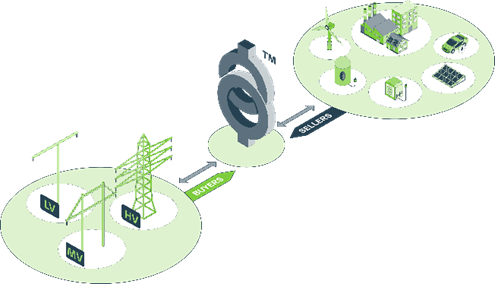
For school buildings, this could mean uploading assets connected on individual meters or sub-meters. These assets assigned to the correct location on the grid by the DSO, can deliver flexibility by adjusting heating, charging, or other flexible electricity consumption when the local network needs support. Depending on the asset configuration and market requirements, schools could participate directly or work with a Flexibility Service Provider (FSP) that aggregates and manages flexibility across multiple buildings.
Aggregating several schools and other public buildings could help combine smaller flexibility resources into a portfolio capable of responding to local grid needs.
This approach creates an opportunity to look beyond traditional flexibility providers and consider how existing community infrastructure can contribute to a more efficient electricity system.
Creating Value Beyond Energy Savings
Participating in flexibility markets could deliver several benefits for schools and the communities they serve.
- New revenue opportunities: Flexibility payments could provide an additional source of income to support school facilities, educational programmes, or future energy-efficiency investments.
- Lower energy costs: Smarter scheduling of energy consumption could help schools optimise how and when they use electricity, potentially reducing energy costs where tariffs and operating conditions allow.
- Support for local grid stability: Flexible demand can help DSOs manage congestion and make better use of existing grid infrastructure.
- Integration of renewable energy: Adjusting consumption and using batteries or thermal storage can help align electricity demand with periods of renewable generation.
- Progress towards sustainability goals: Participating in flexibility initiatives can support schools’ wider ambitions to reduce emissions and improve the sustainability of their buildings.
The financial and operational benefits will vary depending on the building, available flexibility, local market design, and the requirements of the DSO. A successful business case starts by identifying which assets can respond reliably without compromising the school’s core activities.
Looking Ahead: Expanding the Flexibility Ecosystem
As local flexibility markets develop across Europe, there is an opportunity to broaden participation beyond industrial facilities and dedicated energy assets. Public buildings, including schools, could become part of a more diverse flexibility ecosystem by making better use of the energy systems they already have.
Realising this potential requires identifying suitable assets, establishing reliable control and measurement arrangements, and connecting available flexibility with local grid needs. Cooperation between schools, building operators, municipalities, aggregators, and DSOs will be essential.
The next generation of flexibility resources may already be part of our communities. By unlocking the potential of school buildings, we can explore new ways to support local electricity networks, create value from existing infrastructure, and bring the energy transition closer to everyday life.

